Saturday, April 23, 2011

Canadians Struggling To Save

Canadians Struggling To Save
Many Canadians are finding themselves caught between the struggle to save money and repay their debts, says a survey from TD Bank. And with interest rates expected to rise this summer, clearing debts probably won't get any easier. In the report, 38 per cent of Canadians surveyed said they had no savings at all. "I think it's worrisome," said Carrie Russell, senior vice-president of retail banking at TD Canada Trust (TSX:TD). "The reality is that we are all going to come into unexpected expenses from time to time, be it a car or health or a job loss and this can really derail you and your family if you have no cushion behind you," Russell said from Toronto. Russell said the major factor preventing Canadians from saving is that they are using disposable income to pay down debt, whether it be credit cards, car loans or mortgages. She recommends a cushion of three to six months of income saved to get through unexpected financial shocks. One-third of Canadians who responded to the recent online survey also said they didn't have enough money to cover living expenses like rent or food bills. The survey found that 54 per cent of the 1,003 people who took part in the survey said it was a real struggle or impossible to save.

Wednesday, April 13, 2011

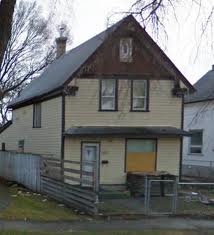
Winnipeg House Prices Surpass National Average

Two-storey Digs Ride Price Rocket
THERE'S a new filly leading the local house-prices derby -- the standard two-storey home, according the latest survey by Royal LePage. The real estate firm said Tuesday the average selling price of a two-storey home in Winnipeg increased at one of the fastest paces in Canada during the first quarter this year, jumping by 7.1 per cent to $297,125 from $277,375 a year earlier. The only city among the 16 surveyed with a bigger year-over-year gain was Vancouver, at 9.7 per cent. The surge in two-storey house prices is a change from previous quarters, where bungalows led the charge. But even so, the average price for a bungalow climbed 3.8 per cent to $269,250 from $259,313, and the price of a standard condo rose by four per cent to an average $167,429 from $161,000...Winnipeg also had the third largest year-over-year gain in prices, at 4.6 per cent, eclipsing the national average hike of 2.1 per cent.

Village on False Creek to Lose $250 MM

The Ignored Election Issue

Canadian Real Estate – The Ignored Election Issue
As Canadians go through yet another election, politicians of all stripes are busy dusting off campaign slogans, attack ads and policy books. Each party puts forth its best ideas to fix what ails the country and what will propel it forward on a wave of prosperity. The amazing part of this election campaign is that nobody seems to be addressing the 800 pound gorilla in the room. That gorilla is named “Canadian Real Estate”. The overvaluation of real estate(“bubble” is so overused it has lost its shock value)in many parts of Canada has been propelled by a Canadian addiction to debt and federal government policies that helped to create a runaway freight train in the form of real estate prices. Outside of the Canadian political campaigning trail the Conservatives have paid lip service to the issue through their recent series of mortgage lending restrictions, however, this tightening is only undoing the Conservative party’s mortgage lending loosening from a few years earlier. Again, both key facts are rarely mentioned by any of the political parties currently campaigning.

Parties Silent on Possible Housing Bubble

Jesse Kline: Parties Silent on Possible Housing Bubble
The Canadian housing market is booming, and some economists fear it could come crashing down. There were warning signs for years about the pending housing crisis in the United States, but they all went unheeded. Canadians now have the chance to start discussing how to prevent a similar situation from occurring north of the border, yet politicians from all parties seem intent on turning a blind eye. The only mention of housing in the Conservative and Liberal policy platforms is to say how much the parties have spent, or will spend, to support housing. Yet, the collapse of a government-encouraged housing bubble could endanger the country’s precarious financial situation.

Sunday, April 3, 2011

Saturday, April 2, 2011

How Much Do Canadians Make?

How Much Do Canadians Make?
Of the 24.5 million returns filed, 18 million Canadians reported total income of $50,000 or less. That’s not a typo. In other words, ignoring individuals who don’t file returns such as children, nearly 75% of tax-filing Canadians earned under $50,000 in total income in 2009. Add another 5 million Canadians who reported total income of between $50,000 and $100,000 and you conclude that about 95% of individuals have income below $100,000 annually.

Thursday, March 31, 2011

Monday, March 28, 2011

Comedians Now Flipping Houses

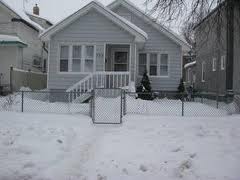
North End housing No Joke
Todd Allen, a transplanted Canadian living in L.A. and working as a stand-up comic, found himself with extra time on his hands last year while perfor­ming here at Rumor’s Comedy Club. "I was here working, but my sets were only 45 minutes a night, so I had a lot of time on my hands," he said via telephone from L.A. Allen rented a bike and began exploring the city. His adventure eventually took him to the North End. "I was baffled at how great some of the housing deals were. Then when I looked at the rental market and saw how high it was; I’ve never seen such a situation," he said. Allen was so impressed by what he saw that he decided to buy a house in the area. He has since sold it and purchased another investment property on Aberdeen Avenue. "I’ve been around North America and never seen things like this," said Allen, who plans to fix up the house and resell it later this spring.

Housing Booms North of the Border

Housing Booms North of the Border
As much of the U.S. housing market limps along, home prices north of the border are on a fresh tear, fired up in part by a borrowing binge that has sent Canadians' debt to record levels—and now higher than their notoriously profligate U.S. neighbors—while income growth pokes along. All that has raised worry at the country's central bank, which repeatedly has warned about rising debt levels, and among some economists, who say the market is ripe for a correction—maybe a steep one. House prices have risen to almost 5.5 times disposable income per worker, well above the long-term historical average of 3.5, he says. "We've been through a fairly hefty housing boom over the last 10 years, and the next three years is going to be an unwinding of that," Mr. Madani says.